

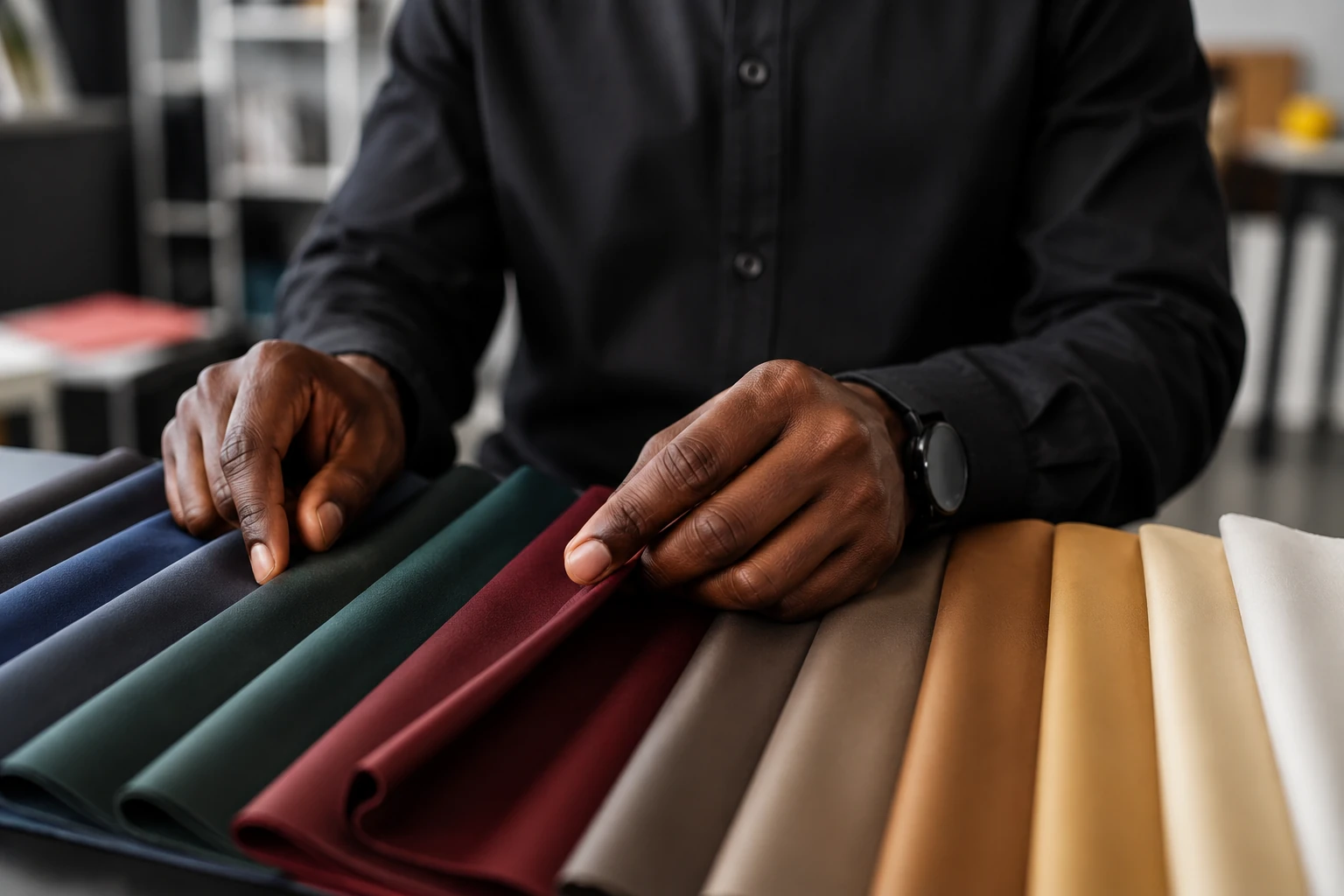

A tight budget doesn’t mean settling for fabric that looks cheap. It means being a bit smarter about where the money goes. Some of the best-looking outfits aren’t built on the most expensive material in the shop — they’re built on someone knowing exactly where to spend and where to hold back.
Start With What the Outfit Actually Needs to Do
Before you even look at fabric, think about where you’ll wear this. A piece for weddings and big events can justify spending more, since it’s doing a lot of visual work in a short amount of time. Something for everyday wear doesn’t need the same fabric — it needs to hold up to repeated wear and washing without falling apart, which is a different priority altogether. Knowing this upfront stops you from overspending on something that didn’t need it, or underspending on something that really did.
Know Which Fabrics Stretch Further
Cotton blends and good quality ankara give you a lot for relatively little. They take embroidery and detail well, hold color, and don’t demand the careful handling that pricier fabrics like silk brocade or cashmere blends do. If the budget is tight, these are usually where the value sits — not because they’re a downgrade, but because they do the job without asking for extra spending elsewhere to maintain them.
Heavier, premium fabrics absolutely have their place, but they often come with hidden costs — dry cleaning instead of regular washing, more careful storage, slower wear and tear if mishandled. On a low budget, that ongoing cost matters just as much as the price tag at the till.
Spend Where People Actually Look
Not every part of an outfit gets equal attention. The chest panel, the collar, the parts that catch light and eyes first — that’s where it’s worth putting a bit more money if you can. Linings, inner layers, and parts that barely show can usually be the more affordable option without anyone noticing the difference. This isn’t about cutting corners; it’s about being honest with yourself about where the visual impact actually comes from.
Check Quality With Your Hands, Not Just Your Eyes
Cheaper fabric isn’t automatically bad fabric, but it does need a closer look before you commit. Scrunch a corner of it in your hand and let go — fabric that springs back close to its original shape will hold up better than something that stays creased. Hold it up to light if you can; if you can see straight through it more than expected, it may not have the weight to drape properly once it’s made up. And if color is a concern, rubbing a damp cloth gently against it tells you quickly whether it’s going to bleed the first time it gets wet.
None of this takes long, but it saves you from finding out the hard way after the tailoring is already done.
Buy at the Right Time
Fabric prices move with the seasons just like everything else. Buying ahead of major holidays or wedding seasons usually means paying more, since that’s when demand peaks. If you can plan a little ahead and buy during quieter periods, you’ll often find better prices on the exact same material. It takes a bit of patience, but patience is free, and the savings usually aren’t small.
Let Leftover Fabric Do More Work
If you’re having something tailored, ask for the leftover fabric instead of letting it go to waste. Scraps that aren’t enough for a full outfit are often more than enough for a pocket square, a cap, or trim on a future piece. Stretching one purchase across more than one use is one of the simplest ways to get more out of a tight budget without spending anything extra.
The Bottom Line
Choosing fabric on a budget isn’t about chasing the cheapest option in the shop — it’s about understanding where value actually lives in an outfit and putting your money there instead of spreading it evenly across everything. Know what the piece needs to do, check quality with your hands before you buy, and don’t be afraid to save on what nobody will notice while spending a little more on what everyone will.
At SNOD, we believe looking sharp shouldn’t require an unlimited budget — our pieces are built to give you that same value, fabric chosen with the same care whether you’re dressing for a wedding or just another day looking good.